There are thousands of adorable cats being looked after in shelters up and down the country, just waiting to find their forever homes. The rehoming sector is working at an incredibly high capacity, and the RSPCA handles thousands of feline intakes every year. Each animal comes with a unique story and a ready-made personality.
Some of these felines are thankfully reunited with their grateful owners after going missing, but others need a fresh start. Leading charity Cats Protection regularly rehomes around 27,000 cats and kittens annually across the country. Events like National Adopt a Cat Month encourage us to consider adopting a rescue cat if we’re looking for a new pet to join our lives. By choosing this route, we’re not only helping an individual feline, but we’re also supporting the much-needed work of local charities. Plus, we are doing ourselves a favour too—cats bring immense joy, relieve daily stress, and form incredibly meaningful connections with their humans.
If you are looking for a companion in need of a home, we have compiled some key questions to ask when adopting a cat, alongside helpful tips to support your search.
Preparing for your new cat
Before bringing a kitty home, make a shopping list of all the essentials you will need, including:
- Bed and bedding: A warm, soft blanket in a quiet corner.
- Food: Both high-quality wet and dry options.
- Bowls: Separate dishes for food and fresh water.
- Toys: Essential items for mental entertainment and enrichment.
- Scratching post: To encourage natural scratching behaviour away from your furniture.
- Litter tray and litter: Kept in a private, low-traffic area.
- Pet carrier: Sturdy and secure for transport.
Take a close look around your living space to make sure it is completely pet-safe. Put away precious or fragile items, and double-check that you do not have houseplants or cleaning chemicals out that may be toxic to felines. If you have children or existing pets, you will also need to think carefully about how to manage the new arrival safely.

Choosing your cat
Why should you adopt from a reputable organisation?
It might be tempting to respond to a private pet adoption advert online, but it is highly discouraged. You will often be left unsure about the animal's true history, medical background, and the conditions they grew up in. When adopting cats from shelter environments run by reputable charities, you can be certain that your feline friend has been properly assessed. They will come to you microchipped, neutered, and fully vaccinated. Your adoption donation goes directly back into the organisation to fund frontline feline welfare, rather than lining a private seller's pocket.
Where can I get a beautiful cat as a pet for free?
Be incredibly wary of any online offers for a "free cat" unless it is from a trusted close friend or family member. Without a verified medical history, you could inadvertently be setting yourself up for thousands of pounds in future veterinary bills. The most responsible and cost-effective method is adopting a cat UK-wide through established adoption networks. While you can expect to pay a structured adoption fee (typically ranging between £80 to £120 for an adult cat, and up to £120 for kittens, depending on the charity and area), this fee directly offsets the cost of professional veterinary care, health checks, and vaccinations.
Shelters list their available animals online with a photo, a detailed biography, and notes on what type of household would suit them best. You can contact the shelter directly to arrange an appointment. Once you are there, you may find that a specific cat instantly chooses you!
What type of cat should I choose?
Did you know that the least adopted cats in shelters are usually black or black-and-white? Outdated superstitions and photography challenges mean these beautiful animals often wait the longest for a home. If you aren't set on a specific appearance, explicitly tell the shelter staff that you are open to any colour.
Additionally, consider adopting an adult cat rather than a young kitten. Older cats generally have well-established personalities, require less around-the-clock supervision, and settle into quiet households much faster.
Adopt a cat or foster a cat?
This depends entirely on whether you want to provide a permanent forever home or offer temporary, vital care to an animal while it waits for a permanent match. Fostering is an excellent path if your current lifestyle doesn't allow for a 15+ year commitment. Many UK rescue organisations are in desperate need of foster homes. By fostering, you play an essential role in helping a cat recover from a troubled past, making them significantly more rehomable. It also frees up physical space in the shelters, allowing them to save more animals in urgent distress.
Bringing your cat home
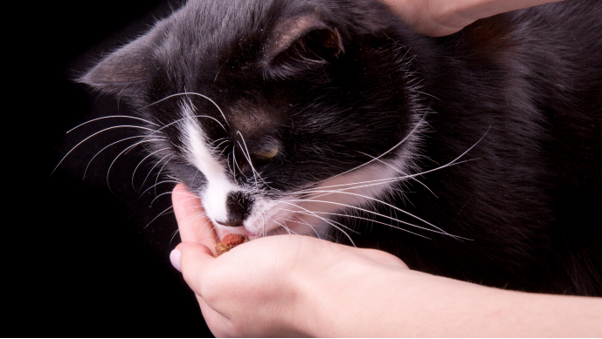
Rehoming a cat takes plenty of love, structure, and patience. Take things slowly and let your new companion get used to their immediate surroundings. The shelter team will provide custom tips on how to help them settle in, and they will usually advise keeping them entirely indoors for the first few weeks before introducing them to the outside world.
Understanding their behaviour and welfare
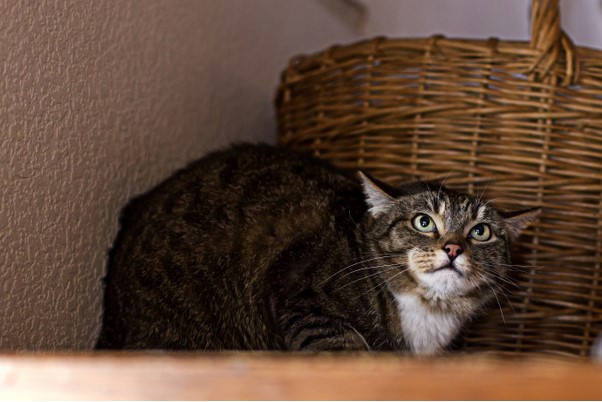
We all want to build a strong, affectionate bond with our pets. To do this, it helps to accurately recognise feline body language and understand what they are trying to communicate.
If you want to truly master feline communication and turn your passion into a structured qualification, studying the science behind their care is a fantastic step. For those looking to work professionally in rescue centres, catteries, or behaviour consultancy, Animal Courses Direct offers the comprehensive Level 3 Diploma in Feline Care, Welfare and Behaviour.
This regulated qualification is perfect for anyone navigating the process of adopting a rescue cat, or those wanting to pursue a dedicated career in animal care. The training covers:
- Feline professional handling and care techniques
- Comprehensive health, anatomy, and nutritional needs
- Advanced understanding of feline psychology and behaviour mitigation
Crucial questions to ask when adopting a cat
When you visit the rescue centre, make sure you prepare a clear list of queries for the rehoming team. Knowing the right questions to ask when adopting a cat ensures you make a perfect match for your household. Consider asking:- What is the cat's known medical history, and are there any ongoing dietary or health needs?
- How does this cat react to children, loud noises, or other resident pets?
- What type of personality have staff observed (e.g., confident, timid, highly independent)?
Keeping your adopted cat healthy and well
Once your companion is settled, it is your responsibility to keep them thriving. To ensure excellent welfare when adopting a cat UK-wide, ensure they have access to:
- Age-appropriate, nutritious meals and a fresh water supply.
- A clean litter tray situated away from their eating area.
- Safe opportunities to climb, scratch, play, and explore.
- Regular preventative treatments against fleas, ticks, and worms.
- Valid pet insurance and registration with a local veterinary practice.
By understanding their natural instincts and asking the right questions to ask when adopting a cat, you will build a safe environment where your rescue animal can truly flourish.
To view our full range of accredited feline training programmes, explore our Feline Care and Behaviour Courses today. Alternatively, contact our customer care team directly on 01202 006 040 to discuss your learning goals.
.jpg)