A Veterinary Nurse works alongside Veterinary Surgeons to provide high-quality health and medical care to a wide range of animals, including domestic pets, farm animals and exotic species.
Veterinary nurses carry out some medical procedures, such as administering injections and performing X-rays. They also work to promote the health and welfare of animals and play a vital role in educating owners.
Veterinary jobs require candidates to be able to make difficult decisions when dealing with distressing situations. It is important to be caring, sympathetic and genuinely interested in the welfare of animals.
What is the salary of a highly qualified Veterinary Nurse?
According to the latest income data from the Society of Practising Veterinary Surgeons (SPVS) and current job market analysis, RVN salaries have increased significantly to improve retention and reflect the high level of clinical skill required:
- Entry-Level / Newly Qualified RVNs: You can now expect to start between £28,000 and £34,000.
- Experienced RVNs (up to 5 years): With a few years of experience, salaries typically range from £36,000 to £42,000.
- Senior & Head Veterinary Nurses: Highly qualified nurses in leadership positions now earn an average of £45,000, with senior roles in referral hospitals or specialist practices frequently exceeding £50,000 to £55,000.
There are many different job titles for Veterinary professionals, for example, depending on where you are in the world, you may be called a Veterinary Technician or Veterinary Nurse.
The term vet tech and vet nurse can be interchangeable around much of the globe, and there is an ongoing debate about which title is more appropriate.
In the USA, the title vet tech is most often used and can refer to either a Veterinary Nursing Assistant or a qualified Veterinary Nurse. In the UK, we tend to use the title vet nurse, and this refers to a qualified Veterinary Nurse.
Those who think it’s important to protect the title of vet nurse argue that veterinary nursing is not simply a job, it’s a profession. Vet nurses are highly skilled and qualified individuals. Protecting the title of vet nurse will raise the standards of care by requiring all individuals to be suitably trained.
Veterinary Nursing and Companion Animal Care Training
People who want to work with animals often think of veterinary nursing as the first port of call. However, not everyone is aware of the intricacies of the role and what they should be aware of. There are lots of considerations and aspects of this career route, and one that should be sufficiently researched before starting the several years of training.
If you would like to embark on a journey towards the Veterinary Care Sector but are unsure where to start, you could look for entry-level job opportunities in veterinary care and consider further training.
Veterinary Practice Receptionist
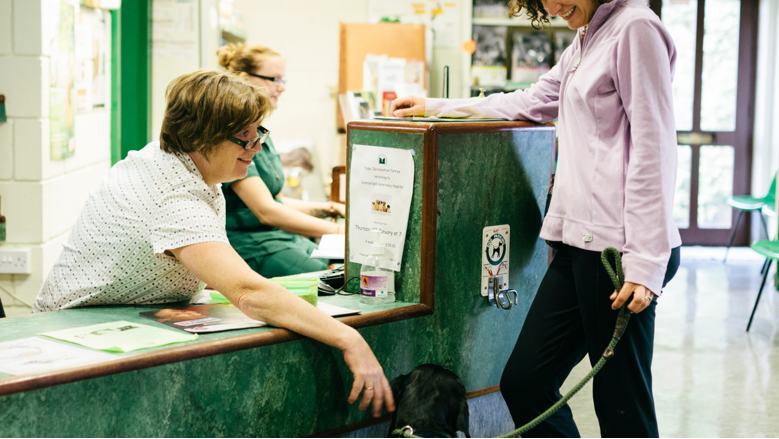
Veterinary Receptionists are often the first people you meet at a veterinary practice. They are responsible for organising the running and the operational side and supporting with admin duties, greeting clients, booking appointments, and distributing medicine.
They will be on hand to help and support the other vet care staff and may have to go beyond to help and support in certain emergency situations.
The Veterinary Receptionists Certificate is a great entry point to working with people and animals in a veterinary care setting. It will provide you with the knowledge and confidence to apply for receptionist roles and will give you an in-depth insight into the day-to-day activities and tasks.
This veterinary course for practise receptionists has been designed specifically for those wishing to pursue this career, and or for those already employed as a Veterinary Receptionist wanting to improve their knowledge and gain an accredited course.
Veterinary Nursing Assistant
The Level 2 Diploma for Veterinary Nursing Assistants has been developed for those who want to obtain an Ofqual-regulated qualification and need entry-level training.
This course will provide the key stepping stones towards a career in Veterinary Nursing.
Preparing to train as a Veterinary Nursing Assistant is an excellent way to gain expertise and insights into a veterinary practice and the role at hand.
Students will be able to study 9 comprehensive units, looking at several core animal care, welfare and medical topics, including:
- Administration in Veterinary Practice
- Hygiene in Animal Care
- Animal Health
- Animal First Aid
- Wildlife in a Veterinary Practice
- Wildlife in a Veterinary Practice
- Veterinary Medicines and Equipment
- Pet Bereavement
- Practical Skills for Veterinary Nursing Assistants
This Level 2 Diploma is held in high regard in veterinary practices. It provides an alternative route for study and will support your Veterinary training progression towards the Royal College of Veterinary Surgeons Level 3 Diploma in Veterinary Nursing.
The Next Step After Qualifying
Various universities provide veterinary nursing skills online resources and engaging in continued professional development (CPD) is expected of qualified vet nurses.
Those who have successfully completed the Level 2 Diploma for Veterinary Nursing Assistants can apply straight away for jobs in the animal care sector, including:
- Veterinary practices or private animal hospitals
- Pet shops
- Animal charity or animal welfare organisations
- Animal rescue shelters and rehoming
These careers can be incredibly fulfilling and rewarding for anyone who wants to work hands-on with animals.
If you would like to work towards becoming a fully qualified registered vet nurse, then you can apply to study the RCVS Level 3 Diploma in Veterinary Nursing. Once qualified, you will need to maintain your professional status as an RCVS-registered Veterinary Nurse by undertaking continued professional development (CPD).
Explore our animal training opportunities by visiting our animal career advice pages. Alternatively, you can contact us directly to speak to a student career advisor by calling 0120 200 640